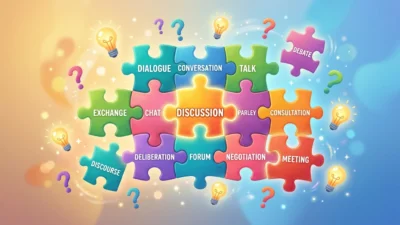

People skills are the abilities that help us communicate, connect, and work effectively with others. They are useful in the workplace, at school, in friendships, and in everyday situations. Good people skills can help you understand others, manage disagreements, build trust, and maintain positive relationships.
Learning people skills synonyms can improve your vocabulary and help you describe these abilities more precisely. Depending on the situation, you can use terms such as interpersonal skills, communication skills, social skills, emotional intelligence, and relationship-building skills. Each expression highlights a slightly different part of interacting with people.
• What Do People Skills Mean?
People skills are the abilities that help someone interact successfully with other people. They include listening, communicating clearly, showing empathy, cooperating, resolving conflicts, and building relationships.
For example:
“Her excellent people skills help her build strong relationships with customers.”
In this sentence, people skills refers to her ability to communicate effectively, understand customers, and respond to their needs.
People skills are especially important in jobs that involve teamwork, customer service, leadership, teaching, healthcare, and management.
• Synonyms for People Skills
Interpersonal Skills
Meaning: The ability to communicate and interact effectively with other people.
Example: “Strong interpersonal skills help employees work well in teams.”
Best usage: Resumes, job applications, and professional writing.
Social Skills
Meaning: The abilities needed to interact comfortably and appropriately with others.
Example: “Group activities can help children develop social skills.”
Best usage: Everyday English, education, and personal development.
Communication Skills
Meaning: The ability to express ideas clearly and understand others.
Example: “Good communication skills are essential for effective teamwork.”
Best usage: Resumes, interviews, education, and business.
Relationship-Building Skills
Meaning: The ability to create and maintain positive relationships.
Example: “Her relationship-building skills helped strengthen client partnerships.”
Best usage: Networking, sales, leadership, and customer service.
Emotional Intelligence
Meaning: The ability to recognize and manage emotions and understand other people’s feelings.
Example: “Emotional intelligence can help managers handle difficult conversations.”
Best usage: Leadership, workplace development, and psychology.
Empathy
Meaning: The ability to understand or share another person’s feelings.
Example: “He showed empathy when his colleague discussed a personal problem.”
Best usage: Healthcare, leadership, teamwork, and personal relationships.
Active Listening
Meaning: Giving full attention to someone and making an effort to understand what they are saying.
Example: “Active listening helps customer service representatives understand complaints.”
Best usage: Communication, counseling, management, and teamwork.
Teamwork Skills
Meaning: The ability to cooperate with others to achieve a shared goal.
Example: “Her teamwork skills made her a valuable member of the project.”
Best usage: Resumes, job interviews, and collaborative environments.
Collaboration Skills
Meaning: The ability to work productively with others.
Example: “The role requires strong collaboration skills.”
Best usage: Business, education, and project management.
Conflict-Resolution Skills
Meaning: The ability to manage disagreements and find workable solutions.
Example: “Conflict-resolution skills helped the team settle the dispute.”
Best usage: Management, customer service, and teamwork.
Negotiation Skills
Meaning: The ability to discuss differences and reach an agreement.
Example: “Her negotiation skills helped secure a fair contract.”
Best usage: Business, sales, management, and diplomacy.
Networking Skills
Meaning: The ability to build and maintain professional connections.
Example: “Networking skills can help graduates discover career opportunities.”
Best usage: Career development, business, and professional events.
Leadership Skills
Meaning: The ability to guide, motivate, and support others.
Example: “His leadership skills helped the team meet its goals.”
Best usage: Management, workplace development, and resumes.
Customer-Service Skills
Meaning: The ability to assist customers politely and effectively.
Example: “Customer-service skills are important in retail jobs.”
Best usage: Retail, hospitality, support, and sales.
People Management Skills
Meaning: The ability to guide, support, and coordinate other people.
Example: “The supervisor uses strong people management skills to support the staff.”
Best usage: Management, human resources, and leadership.
Interpersonal Communication
Meaning: The exchange of information between people.
Example: “Interpersonal communication is important when working with clients.”
Best usage: Academic writing, workplace training, and communication studies.
Rapport-Building Skills
Meaning: The ability to create a comfortable and trusting connection with someone.
Example: “The counselor used rapport-building skills to help the client feel comfortable.”
Best usage: Counseling, sales, healthcare, and customer relations.
Empathy Skills
Meaning: The ability to recognize and respond thoughtfully to other people’s feelings.
Example: “Empathy skills can improve communication between coworkers.”
Best usage: Healthcare, education, and professional development.
Relationship Management
Meaning: The ability to maintain productive and positive relationships.
Example: “Relationship management is central to successful account management.”
Best usage: Business, leadership, and client services.
People-Oriented Skills
Meaning: Abilities focused on understanding and working with people.
Example: “The position requires strong people-oriented skills.”
Best usage: Job descriptions, resumes, and career discussions.
Cooperation Skills
Meaning: The ability to work willingly with others.
Example: “Cooperation skills help students complete group assignments.”
Best usage: Education, teamwork, and community activities.
Persuasion Skills
Meaning: The ability to influence others through reasoning or communication.
Example: “Her persuasion skills helped gain support for the proposal.”
Best usage: Sales, negotiation, leadership, and presentations.
Adaptability
Meaning: The ability to adjust to new people, situations, or expectations.
Example: “Adaptability helps employees work with different personalities.”
Best usage: Resumes, teamwork, and professional development.
Patience
Meaning: The ability to remain calm when dealing with delays or difficulties.
Example: “Patience is valuable when helping frustrated customers.”
Best usage: Teaching, healthcare, customer service, and everyday relationships.
Diplomacy
Meaning: The ability to handle sensitive situations tactfully.
Example: “She used diplomacy to address the disagreement without upsetting either colleague.”
Best usage: Leadership, management, and professional communication.
Tact
Meaning: The ability to communicate carefully without offending others.
Example: “He handled the criticism with tact.”
Best usage: Workplace conversations, feedback, and sensitive discussions.
People Skills
Meaning: The general ability to interact effectively with others.
Example: “The position requires excellent people skills.”
Best usage: Everyday language, job descriptions, and interviews.
Social Intelligence
Meaning: The ability to understand social situations and respond appropriately.
Example: “Social intelligence can help people navigate difficult group dynamics.”
Best usage: Personal development, psychology, and leadership.
Trust-Building Skills
Meaning: The ability to develop confidence and reliability in relationships.
Example: “Trust-building skills are essential for effective team leaders.”
Best usage: Leadership, teamwork, and client relationships.
Customer-Relations Skills
Meaning: The ability to maintain positive interactions with customers.
Example: “Customer-relations skills help businesses retain loyal clients.”
Best usage: Sales, service, account management, and business.
• Comparison Guide for People Skills Synonyms
| Term | Main Focus | Best Context |
|---|---|---|
| Interpersonal skills | Overall interaction with people | Resumes and professional settings |
| Social skills | Everyday social interaction | Personal development |
| Communication skills | Sharing and understanding information | Interviews and teamwork |
| Emotional intelligence | Understanding emotions | Leadership and relationships |
| Empathy | Understanding others’ feelings | Healthcare and support |
| Active listening | Understanding what others say | Meetings and conversations |
| Teamwork skills | Working toward shared goals | Collaborative jobs |
| Conflict-resolution skills | Managing disagreements | Management and teamwork |
| Networking skills | Building professional connections | Career development |
| Diplomacy | Handling sensitive situations | Leadership and negotiation |
| Rapport-building skills | Creating trust and comfort | Customer-facing roles |
| Social intelligence | Understanding social situations | Personal and professional growth |
• How to Choose the Right Synonym for People Skills
The best term depends on the ability you want to emphasize.
For a resume or job application:
Use interpersonal skills, communication skills, teamwork skills, or relationship-building skills.
For leadership roles:
Use emotional intelligence, people management skills, diplomacy, or conflict-resolution skills.
For customer-facing jobs:
Use customer-service skills, active listening, rapport-building skills, or customer-relations skills.
For teamwork and collaboration:
Use collaboration skills, cooperation skills, or teamwork skills.
For understanding and supporting others:
Use empathy, emotional intelligence, or social intelligence.
For professional networking:
Use networking skills or relationship-building skills.
• People Skills vs Interpersonal Skills
People skills and interpersonal skills are very similar. Both describe the ability to interact effectively with other people.
However, interpersonal skills sounds more formal and is often preferred in professional documents.
- People skills: “I have strong people skills and enjoy helping customers.”
- Interpersonal skills: “I have strong interpersonal skills and experience working with diverse teams.”
For a resume, interpersonal skills may fit a formal tone. In everyday conversation, people skills sounds natural.
• People Skills vs Communication Skills
Communication skills are an important part of people skills, but they do not cover every aspect.
Communication skills focus on expressing ideas, listening, and exchanging information.
People skills include communication, but they can also involve empathy, patience, cooperation, emotional awareness, and managing disagreements.
For example, someone may explain an idea clearly but still struggle to understand another person’s feelings. In that case, they have communication ability but may need to develop other interpersonal skills.
• Common Mistakes When Using People Skills Synonyms
One common mistake is treating every related term as an exact synonym. Communication skills focus on exchanging information, while emotional intelligence focuses on understanding and managing emotions.
Another mistake is using vague phrases on a resume. Instead of writing “I am good with people,” describe the specific ability, such as client communication, conflict resolution, or team collaboration.
It is also helpful to avoid listing too many similar terms together. Choose the words that genuinely reflect your experience and match the role.
• Why Use Different Words for People Skills?
Using more precise terms helps readers understand your strengths. It also makes resumes, cover letters, essays, and professional profiles more effective.
For example:
“I have good people skills and work well with others.”
You could make the statement more specific:
“I use strong interpersonal communication, active listening, and conflict-resolution skills to support productive teamwork.”
The revised sentence explains what those people skills involve instead of relying on a broad description.
• Quick Synonym Guide
- Interpersonal skills: Overall ability to interact with people.
- Social skills: Ability to navigate social situations.
- Communication skills: Ability to express and understand ideas.
- Emotional intelligence: Ability to understand and manage emotions.
- Empathy: Ability to understand other people’s feelings.
- Active listening: Giving attention and understanding when others speak.
- Teamwork skills: Ability to work toward shared goals.
- Collaboration skills: Ability to work productively with others.
- Diplomacy: Handling sensitive situations tactfully.
- Rapport-building skills: Creating trust and connection.
- Conflict-resolution skills: Managing disagreements constructively.
- Networking skills: Building professional relationships.
• Final Thoughts
People skills include many abilities that help us communicate, cooperate, and build meaningful relationships. Interpersonal skills is a useful formal alternative, while social skills suits everyday interactions.
For professional writing, terms such as communication, teamwork, relationship-building, and conflict-resolution skills describe specific strengths. Choose the phrase that Best matches the situation and your actual abilities.
Using precise language can make your resume, conversations, and writing clearer while showing exactly how you work with others.

Lawrence Dominic is an experienced SEO content writer and digital publishing professional specializing in creating informative, well-researched, and search-optimized articles. He combines in-depth research with strong editorial standards to produce engaging content across a wide range of topics. His writing focuses on accuracy, readability, and delivering meaningful value to readers. Lawrence is committed to publishing high-quality content that aligns with modern SEO best practices and evolving search trends.